

Building the intelligence system for next-generation flexible biorefineries
Biological systems do not operate on averages. They respond to what actually enters them.
Earthia helps bioeconomy developers, operators, and investors evaluate how variable organic feedstocks affect biological performance, process design, and project economics.
Most early-stage models estimate yield from individual feedstocks or average assumptions. But real waste streams shift in composition, timing, contamination, nutrient balance, inhibitor load, and handling requirements. When those shifts move through a biological process, they can affect yield, downtime, operating cost, and financial viability.
Earthia makes those risks visible before they become infrastructure problems.
What Earthia helps you do:
Understand whether available organic feedstocks can support a viable biological conversion pathway, and where variability may create technical or economic risk.
Evaluate feedstock portfolios
Move beyond weighted-average yield assumptions by evaluating how mixed substrates may affect biological response, process stability, and output consistency.
Predict realistic yields
Identify the process windows, monitoring needs, conditioning strategies, and infrastructure constraints required to keep variable-feedstock systems viable.
Design for operational flexibility

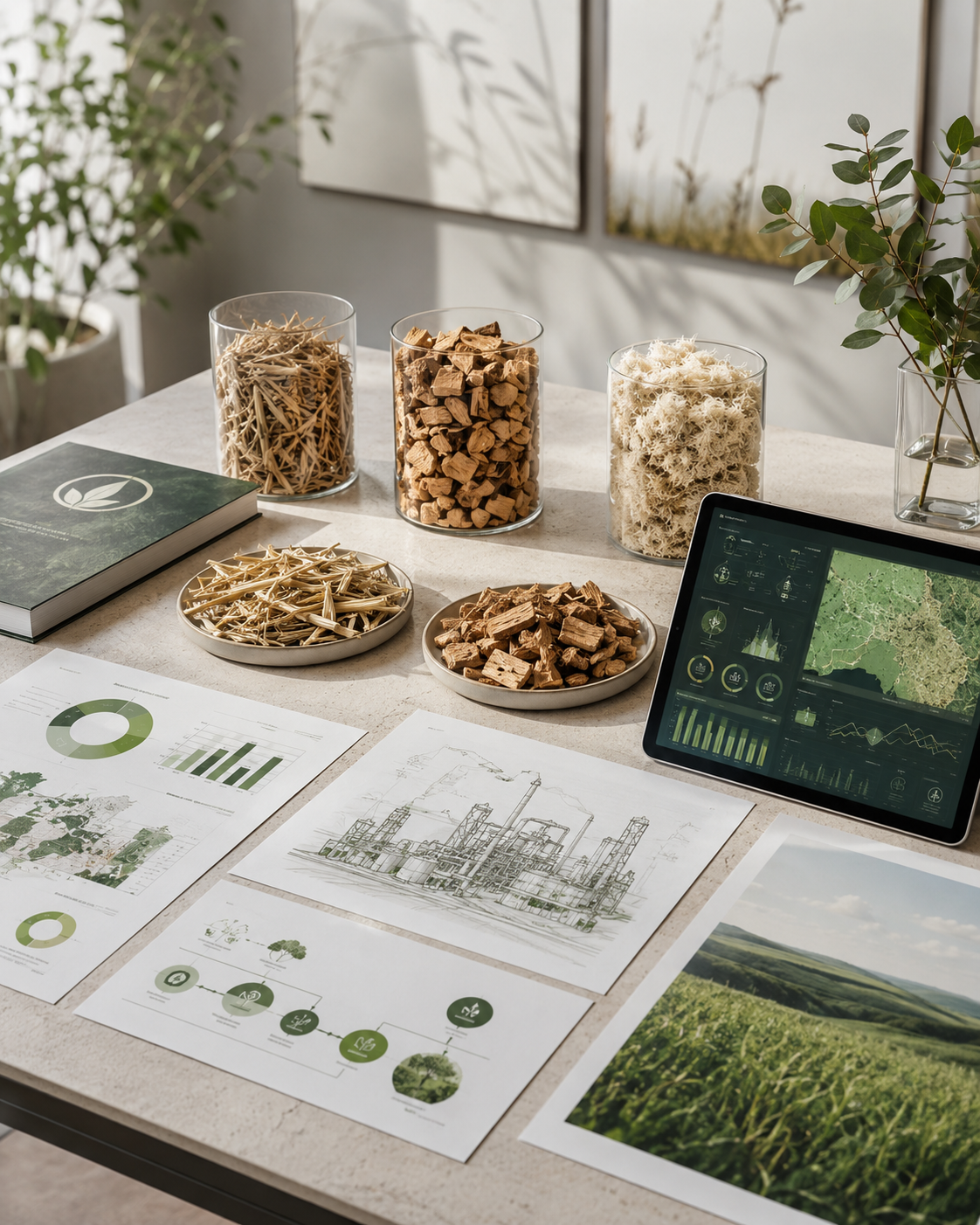
How variability becomes infrastructure risk
When inputs vary, outcomes shift.
Most systems are not designed with that fully in mind.
We focus on making those responses visible.
Biological infrastructure fails when feedstock variability moves through operations, biological response, and financial assumptions faster than the system can absorb:
01 / Feedstock variability02 / Biological response limitsProcess designs need enough flexibility to absorb changing inputs. When equipment, routing, storage, or operating windows are too narrow, variability turns into operational pressure.
Organic feedstocks shift in composition, timing, volume, contamination, and pretreatment requirements. These changes alter the conditions biological systems actually experience.
04 / Financial tolerance thresholds03 / Operational flexibilityYield loss, downtime, added handling, and inconsistent output can quickly change project economics. Earthia identifies where biological and operational limits begin to affect financial outcomes.
Microbial and biological systems respond to mixtures, inhibitors, nutrient balance, and environmental conditions. Performance depends on combined response, not isolated feedstock averages.
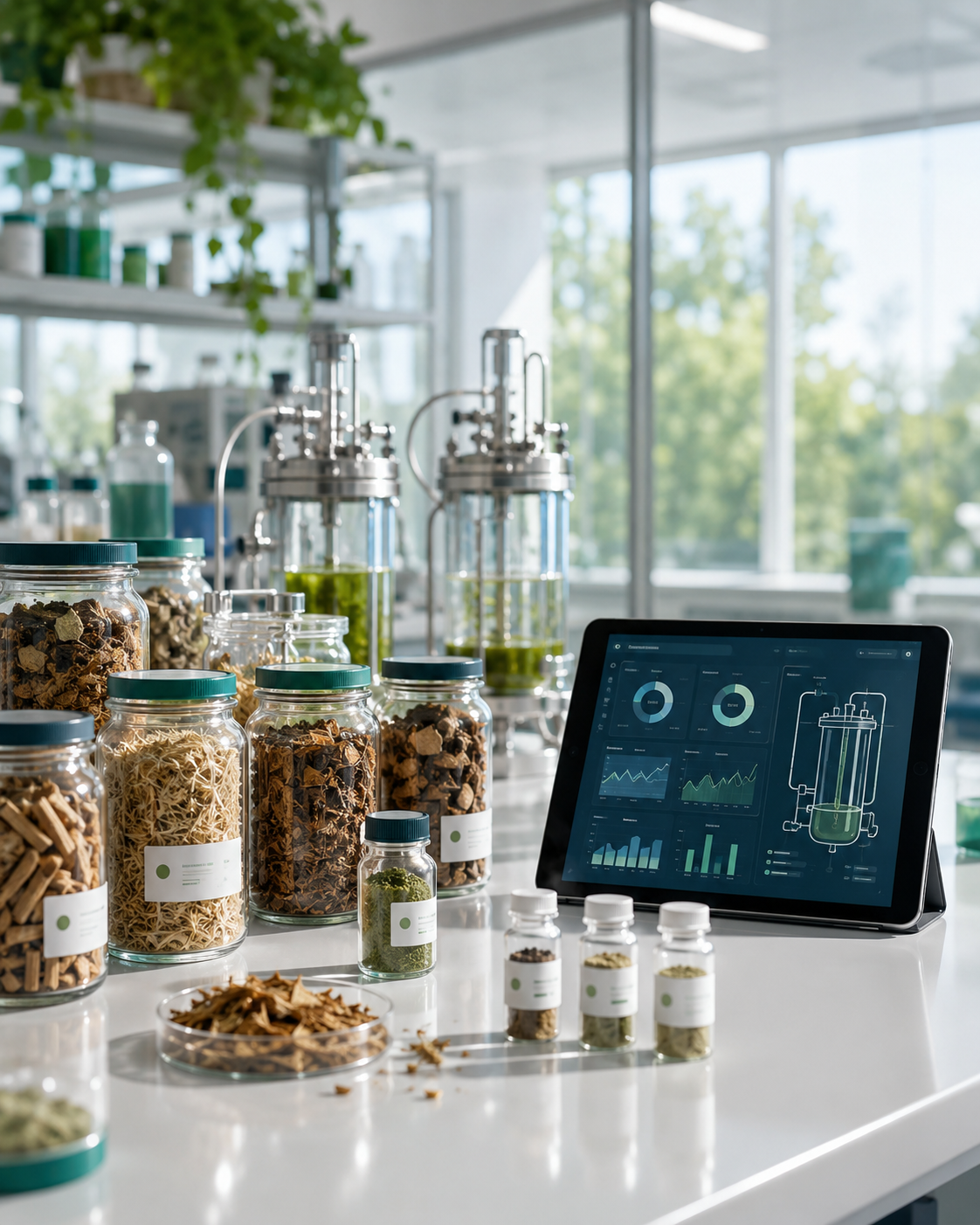
Where Earthia engages
Early-stage project design and feasibility
Evaluate whether a project is ready to move from concept into engineering design, and identify which assumptions need to be tested before capital is committed.
Reveal biological, operational, and financial risks that average-case models may hide, especially when project performance depends on variable feedstock supply.
Investor and lender diligence
Underperforming or unstable assets
Identify where yield loss, cost increases, downtime, or inconsistent output are coming from, and separate feedstock problems from process and design constraints.
Public sector infrastructure planning
Assess waste-to-value pathways under real feedstock conditions, helping planners compare which systems are likely to remain viable over time.