
About Earthia Bio
Earthia Bio brings together biological systems, process engineering, and infrastructure strategy to help biological infrastructure perform under real-world operational and economic constraints.
We work at the point where systems that appear viable on paper begin to break in practice: when feedstocks shift, operations strain, and financial assumptions are tested.
The opportunity we see
Large volumes of organic waste contain underutilized carbon that can serve as feedstock for higher value products.
We see waste as strategic carbon capital: capable of supporting higher-value biomanufacturing, improving system resilience, reducing emissions, and expanding revenue beyond commodity outputs.
Realizing this opportunity requires biology-aware, system-level approaches that are designed for feedstock variability, regulatory constraints, and scale from the outset.
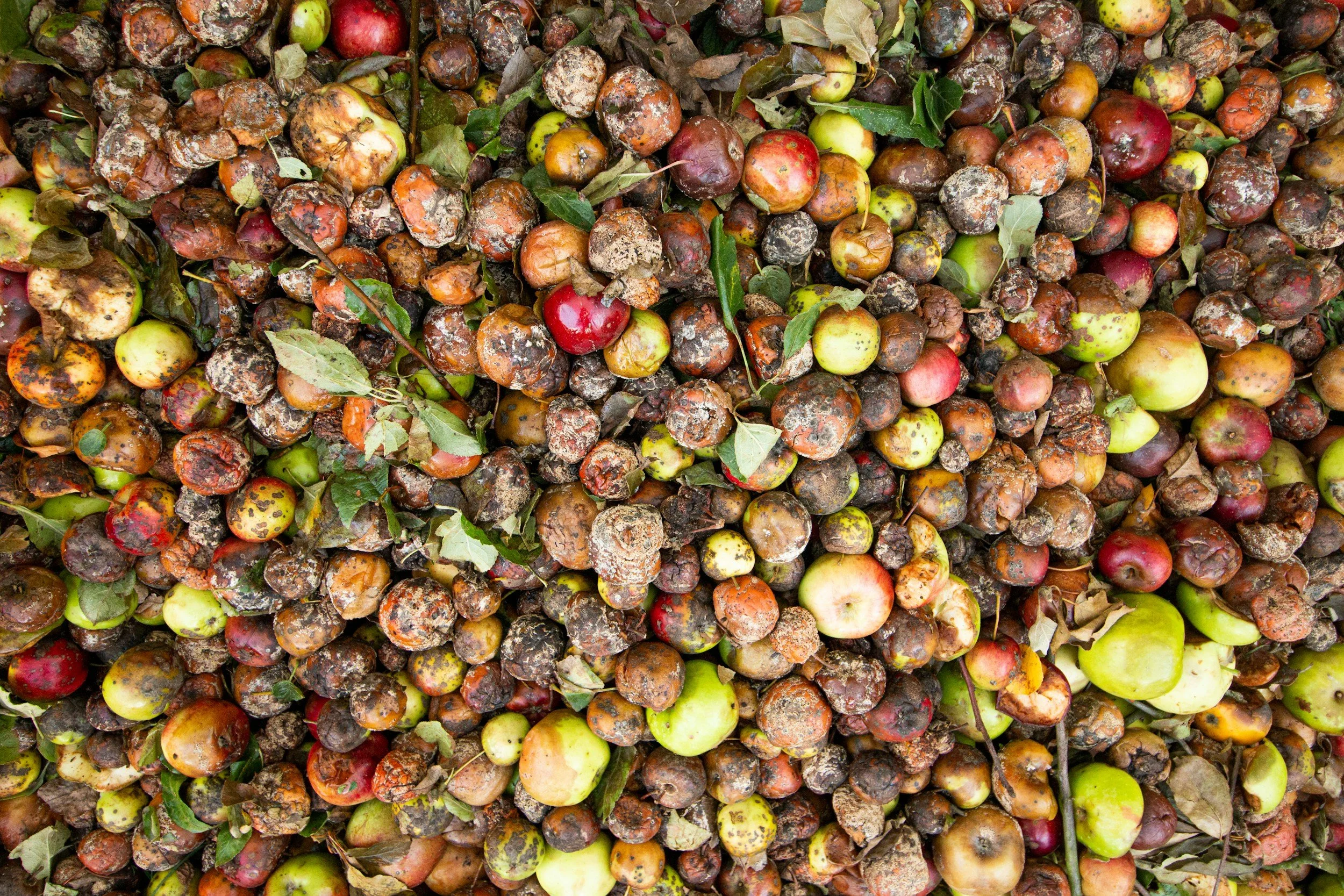
We focus on the value of waste
Waste contains a ladder of value at different steps of its life cycle. Extracting high-value carbon products from heterogeneous biological substrates represents the next frontier in biomanufacturing.
We work at the intersection of heterogeneous waste streams and scalable carbon product pathways, bridging the gap between laboratory feasibility, operator awareness and economically viable implementation.

Why now
The conditions for biological infrastructure are changing faster than traditional planning models.
Waste streams differ by geography, season, collection system, preprocessing method, and contamination profile. Biology has to operate within that reality.
01/Feedstocks are becoming more variable
Projects are increasingly evaluated before full operating data exists. Early assumptions about yield, reliability, and revenue can shape whether capital is deployed.
02/Deployment risk is moving earlier
Systems that appear viable under modeled averages can fail when variability reaches biological, operational, or financial limits.
03/Average-case models are no longer enough
We bring deep expertise
Earthia Bio brings together expertise across biological systems, process engineering, and infrastructure strategy.
Our leadership combines experience in environmental biotechnology, microbial systems, scale-up environments, and commercialization pathways. We focus on translating biological potential into systems that can perform under real-world operational and economic constraints.
We do not separate science from deployment. We integrate biological insight with engineering, economics, and infrastructure realities.
Leadership

Bianca Costa, PhD
Co-Founder
Bianca’s work at Earthia focuses on the biological side of heterogeneous feedstocks: how microbial systems respond to variable substrates, and where biological conversion pathways become constrained under real-world operating conditions.
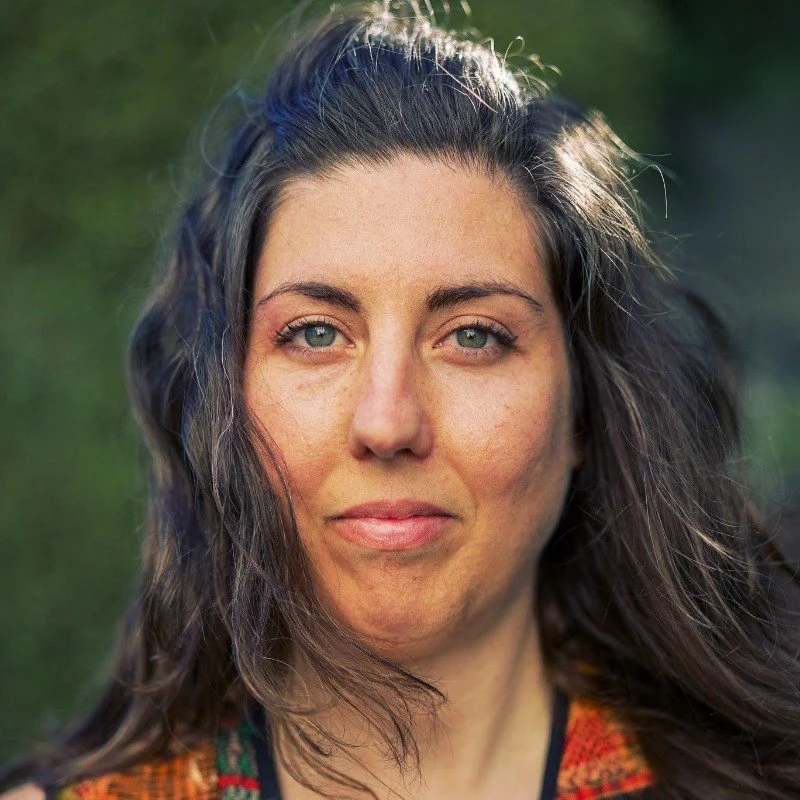
Nadia Szeinbaum, PhD
Co-Founder
Nadia’s work at Earthia focuses on systems strategy and deployment: connecting biological insight with process design, commercialization pathways, and project-level decision-making.
Our method
Earthia evaluates biological infrastructure through the chain where risk actually propagates.
Identify biological, operational, and financial assumptions that are likely to fail under real-world pressure.
01 / Diagnose
Projects are increasingly evaluated before full operating data exists. Early assumptions about yield, reliability, and revenue can shape whether capital is deployed.
02 / Design
Help projects move from concept to scale without relying on fragile average-case assumptions.
03 / Derisk
Our Ecosystem
Scaling biological systems requires interdisciplinary coordination across science, engineering, operations, and regulation.
We operate within a broader network of technical experts across environmental biotechnology, biomanufacturing, infrastructure, and regulatory landscapes.
This ecosystem enables us to engage with the appropriate depth at different stages of development while maintaining centralized systems leadership and strategic coherence.